Diving in Egypt's Red Sea: Hurghada, Sharm el-Sheikh, Marsa Alam and Dahab
Clear, warm, calm water, colourful reefs close to shore, world-famous wrecks and some of the lowest course prices anywhere. Egypt is one of the best places in the world to learn to dive.
On this page
- Best season
- Year-round; best Mar–May & Sep–Nov
- Water temp
- 21–22 °C (Feb) to 28–29 °C (Aug)
- Visibility
- 20–40 m
- Difficulty
- to advanced
- Beginners
- Excellent
- Open Water
- ~€350–480
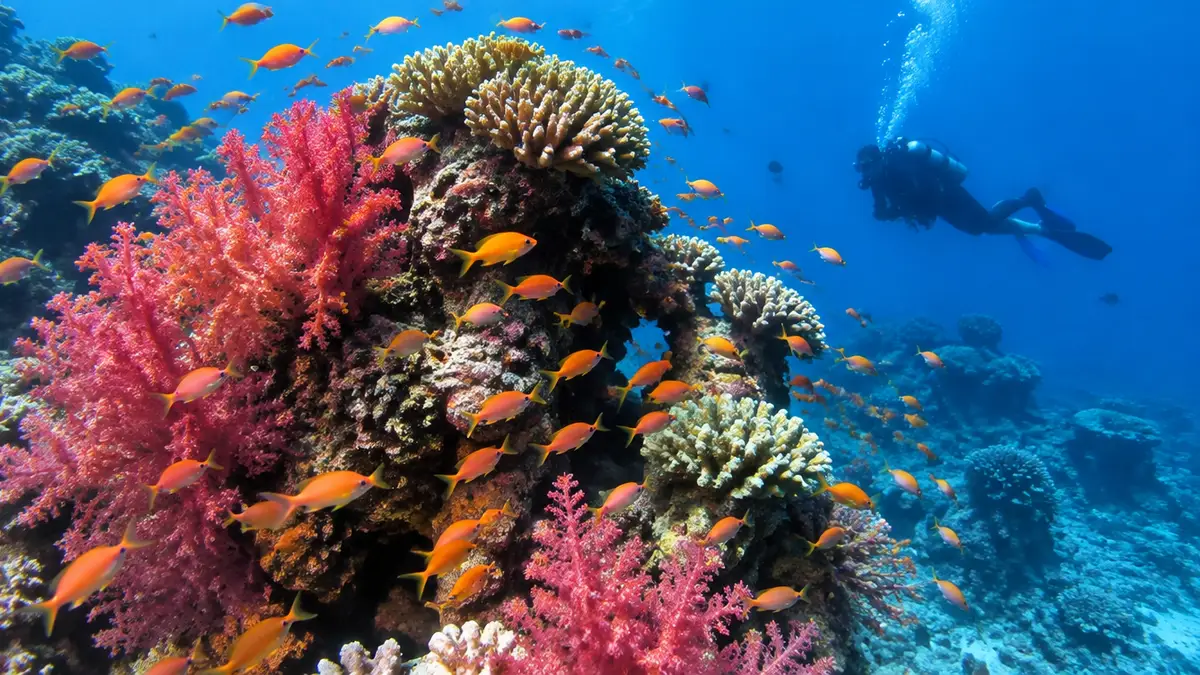
The Red Sea is a narrow, warm sea between Africa and Arabia with very little rainfall and few rivers flowing in, which means consistently excellent visibility. Its reefs are among the most colourful in the world, with over 1,200 species of fish (a significant share found nowhere else) and more than 200 species of coral. For European divers it's only a 4–5 hour flight, and prices are low.
Main diving areas
Hurghada
The busiest dive hub, with hundreds of dive centres and daily boat trips to reefs such as Giftun Island, Abu Ramada and Carless Reef. There are lots of easy, sheltered sites for training, plus day trips to the famous Abu Nuhas wreck graveyard (several wrecks, for more experienced divers). Good value for courses, but some sites are crowded.
Sharm el-Sheikh
At the southern tip of the Sinai. Home to Ras Mohammed National Park, one of the Red Sea's most famous areas, with dramatic walls, shark and jack schools in summer and huge coral pinnacles. Boats also go to the Straits of Tiran reefs, and the legendary SS Thistlegorm wreck (a WWII supply ship, about 30 m deep, suitable for Advanced divers). Many easy sites for beginners too.
Marsa Alam
Further south, quieter and more remote. Known for dugongs (rare, but sometimes seen at sites like Marsa Mubarak), green turtles in seagrass bays, spinner dolphins at Samadai reef (with visitor regulations), and pristine offshore reefs such as Elphinstone (strong currents, oceanic whitetip sharks in autumn, for experienced divers). Many hotels have "house reefs" for easy shore diving.
Dahab
A relaxed, backpacker-friendly town on the Gulf of Aqaba, famous for shore diving. Walk in to beautiful reefs like the Lighthouse, Eel Garden and the Canyon. Dahab is also a freediving capital. It's home to the notorious Blue Hole: its shallow rim ("the Bells to Blue Hole" dive) is fine for certified divers, but the deep arch at around 55 m has claimed many lives. Never attempt it without technical training.
When to go
| Season | Water | Conditions |
|---|---|---|
| Dec–Feb (winter) | 21–23 °C | Cooler air (20–24 °C), windy days; bring a 5–7 mm suit |
| Mar–May (spring) | 22–25 °C | Pleasant, good visibility; plankton blooms can bring mantas/whale sharks occasionally |
| Jun–Aug (summer) | 26–29 °C | Very hot air (35–40 °C), warmest water, busy |
| Sep–Nov (autumn) | 25–28 °C | Excellent: warm water, oceanic whitetips in the south, fewer crowds than summer |
Use our destination calendar to compare months.
What you'll see
- Clouds of orange anthias, Red Sea clownfish in anemones, masked butterflyfish, Napoleon wrasse
- Soft and hard corals, sea fans, and spectacular pinnacles
- Green and hawksbill turtles, moray eels, octopus, blue-spotted rays
- Dolphins, reef sharks, hammerheads on offshore reefs in summer (advanced), oceanic whitetips (autumn, advanced)
- Dugongs (rare) around Marsa Alam
- Historic wrecks: Thistlegorm, Rosalie Moller, Abu Nuhas wrecks, Salem Express (a sensitive site with loss of life)
Is it good for beginners?
Yes, it's one of the best places in the world. Many sites are sheltered, with little current, great visibility and shallow sandy areas perfect for training. The dive industry is huge and experienced, and prices are low. For shore diving and a laid-back vibe, choose Dahab. For choice and easy boat trips, Hurghada or Sharm. For quieter, wilder reefs, Marsa Alam.
- Wind and waves can be strong, especially in winter. Some boat trips are rough.
- Some famous offshore sites (Elphinstone, Brothers, Daedalus) have strong currents and are for experienced divers.
- Marine park rules often forbid gloves and touching. Dive centres enforce them.
- Check your government's current travel advice for Egypt and specific regions before booking.
Typical prices (2026)
- Try-dive: €60–90
- Open Water course: €350–480
- Day boat with 2 dives: €60–90 (plus equipment if needed)
- 10-dive package: €280–400
- Liveaboard (1 week): €800–1,500
- Marine park fees: a few euros per day in protected areas
Liveaboards
Egypt has one of the world's largest liveaboard fleets. Popular routes: the "Northern Wrecks and Reefs" (Thistlegorm, Abu Nuhas, Ras Mohammed), suitable after some experience; and southern routes like Brothers, Daedalus and Elphinstone ("BDE"), for Advanced divers with 50+ logged dives. See liveaboards.
Practical tips
- Many nationalities can get a visa on arrival or e-visa. Check current rules for your passport
- Bring a thicker wetsuit (5–7 mm) in winter; 3 mm in summer
- Tipping (baksheesh) is customary for crews and guides
- Combine diving with a trip to Luxor, or a Sinai desert excursion (watch the altitude rules)
Frequently asked questions
Is Hurghada or Sharm el-Sheikh better for beginners?
Both are excellent. Hurghada has more choice and generally lower prices; Sharm offers access to Ras Mohammed National Park and slightly more dramatic reef scenery. Dahab is best for relaxed shore diving.
What is the water temperature in the Red Sea in winter?
About 21–23 °C in Egypt's northern Red Sea in January–February. A 5–7 mm wetsuit is recommended.
Can beginners dive the SS Thistlegorm?
It sits at about 30 m and currents can be strong, so it's usually recommended for Advanced Open Water divers with some experience.
Keep reading
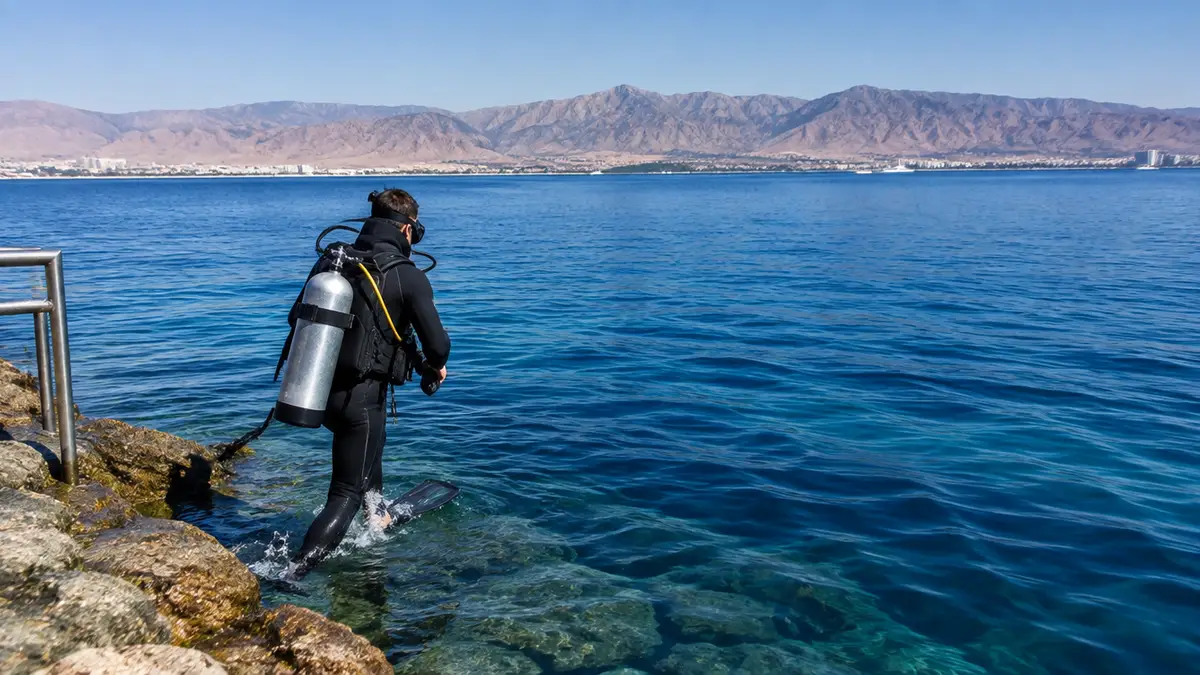
Diving in Eilat (Israel) and Aqaba (Jordan): Easy Red Sea Shore Diving
Calm, clear shore diving at the tip of the Red Sea, with wrecks and coral gardens a few fins from the beach.
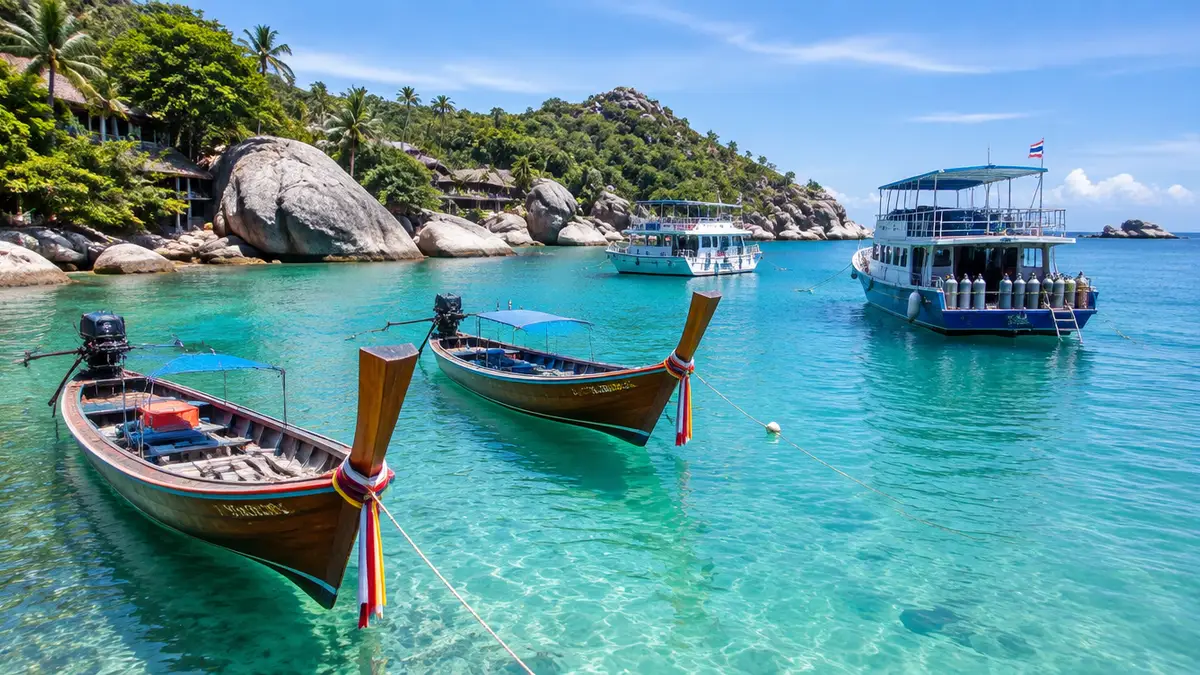
Diving in Thailand: Koh Tao, Phuket and the Similan Islands
Koh Tao is a world-famous place to learn cheaply; the Andaman Sea offers Similan liveaboards.
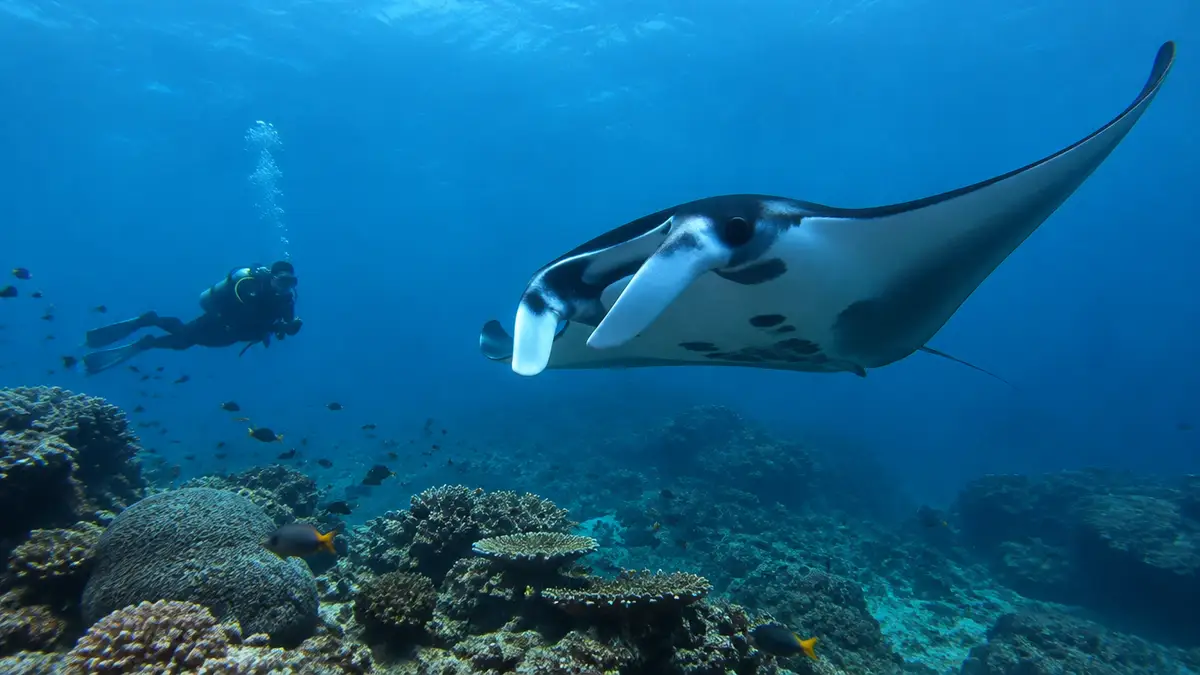
Diving in Indonesia: Bali, Komodo and Raja Ampat
Bali is great for new divers; Komodo and Raja Ampat reward experience with world-class reefs.