What Scuba Gear to Buy First (and What to Rent): A Beginner's Buying Order
Buying a full kit before your first trip is the classic beginner mistake. Here's the order that makes sense, with realistic budgets.
On this page
- Step 1: Mask and snorkel (before your course)
- Step 2: Fins (and boots)
- Step 3: Dive computer (soon after certification)
- Step 4: Safety accessories
- Step 5: Exposure suit (when you dive regularly in similar water)
- Step 6: Regulator and BCD (when you're diving a lot)
- Never (usually) buy
- Summary table
- Smart buying tips
- Mistakes to avoid when buying gear
- Frequently asked questions
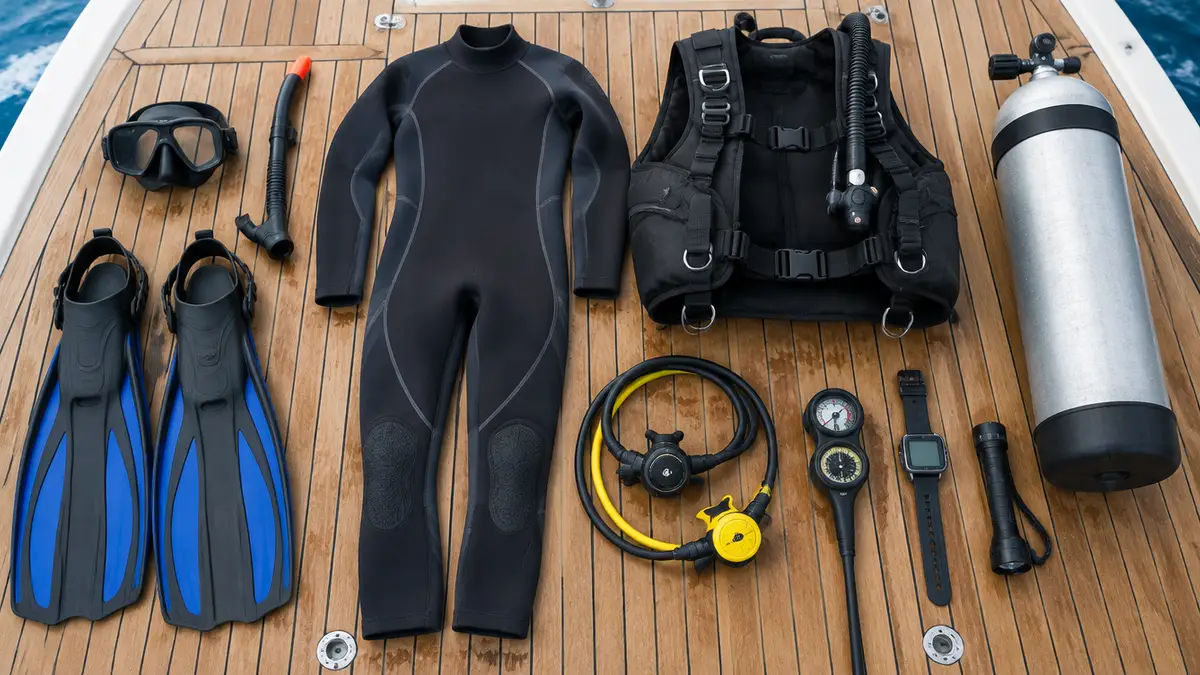
A full scuba kit can easily cost US$2,500–4,000. The good news: you don't need to buy most of it for a long time, and some of it you may never need to buy. Here's a sensible buying order based on fit, hygiene, safety and how often you dive.
Step 1: Mask and snorkel (before your course)
A well-fitting mask is the single best upgrade to your first dives. Rental masks often leak or fog, and mask problems are the biggest source of stress for beginners. Add a simple snorkel for hygiene.
- Budget: US$50–150 together
- Guides: choosing a mask, snorkels
Step 2: Fins (and boots)
Comfortable fins that fit well mean fewer blisters and cramps and better control. If you'll dive in different places, choose open-heel fins with boots; for warm boat diving, full-foot fins are fine.
- Budget: US$80–280 including boots
- Guide: choosing fins
Step 3: Dive computer (soon after certification)
This is the most important safety purchase. Your own computer knows your dive history, you know its screens and alarms, and it keeps your logbook. Buy one once you know you'll keep diving, ideally before your first proper dive trip.
- Budget: US$200–500 for an excellent entry-level model
- Guide: dive computers
Step 4: Safety accessories
A surface marker buoy (SMB) with a whistle, a line cutter and a small save-a-dive kit. Cheap, light and genuinely useful.
- Budget: US$60–150
- Guide: accessories
Step 5: Exposure suit (when you dive regularly in similar water)
Rental wetsuits are often worn out and may not fit. If you dive often, or always in similar temperatures, your own suit is warmer and more hygienic. If you dive in varied places, rent until you see a pattern.
- Budget: US$150–400 (wetsuit), US$300–600 (semi-dry), US$800+ (drysuit)
- Guide: wetsuits and drysuits
Step 6: Regulator and BCD (when you're diving a lot)
These are the big-ticket items. Owning them makes sense when you dive frequently (say 20+ dives a year), dive locally, go on liveaboards, or want consistent gear you know is well maintained. They add weight to your luggage and need regular servicing.
- Budget: US$500–1,500 (regulator set), US$350–900 (BCD)
- Guides: regulators, BCDs
Never (usually) buy
- Tanks: provided everywhere, heavy, need inspections
- Weights: provided everywhere, very heavy to travel with
Summary table
| Item | When to buy | Typical cost |
|---|---|---|
| Mask + snorkel | Before your course | US$50–150 |
| Fins + boots | Before or right after course | US$80–280 |
| Dive computer | After certification / first trip | US$200–500 |
| SMB, whistle, cutter | First independent dives | US$60–150 |
| Wetsuit | When you dive regularly | US$150–400 |
| Regulator | 20+ dives/year | US$500–1,500 |
| BCD | 20+ dives/year | US$350–900 |
Smart buying tips
- Try before you buy. Fit matters more than brand. Many shops let you test gear in a pool.
- Buy from a shop that services what it sells, especially regulators and computers.
- Ask your instructor, but be aware some shops earn commission.
- Second-hand: fins, BCDs and suits can be great value. Buy used regulators only with a fresh service receipt. Masks are cheap enough to buy new.
- Think about travel weight if you fly to dive.
- Buy gear packages carefully. A bundle only saves money if you want every item in it.
Regulators, BCD inflators and computers need servicing (roughly US$80–200 per year for a regulator), and airline baggage fees add up. Renting at a good centre is often cheaper than owning for divers who do one trip a year.
Mistakes to avoid when buying gear
- Buying a full kit before you've done your course
- Choosing gear for looks instead of fit
- Buying a regulator that can't be serviced where you live
- Getting a thick wetsuit when you mostly dive in warm water (or vice versa)
- Choosing a complicated dive computer you don't understand
- Buying online without trying the fit of masks and fins
Frequently asked questions
What is the first piece of scuba gear I should buy?
A dive mask that fits your face, ideally before your Open Water course. It's affordable and makes the biggest difference to comfort.
Is it worth buying a full scuba kit?
Only if you dive often. For one or two trips a year, owning a mask, fins and a computer, and renting the rest, is usually the best value.
Keep reading
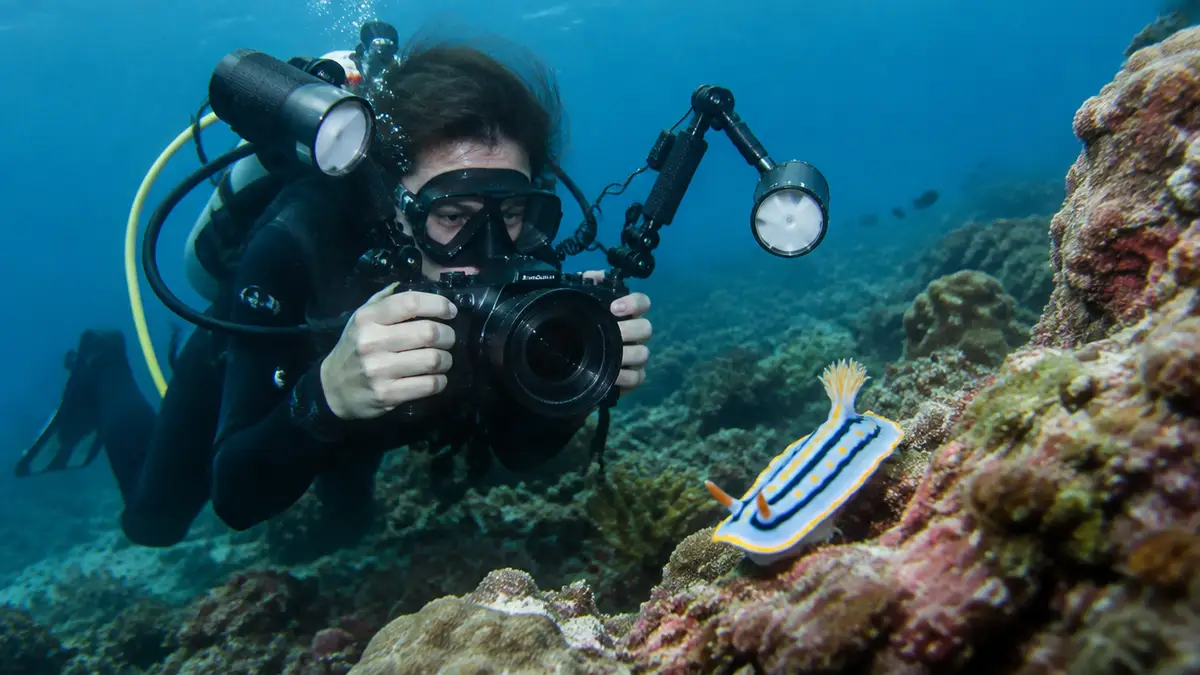
Underwater Photography and Video for Beginners: Cameras, Light and Technique
Cameras, housings, why everything looks blue, and how to shoot without harming the reef.
How to Choose a Dive Mask: Fit Test, Types, Fogging and Prescription Lenses
Single or double lens, the 10-second fit test, stopping fog and prescription options.
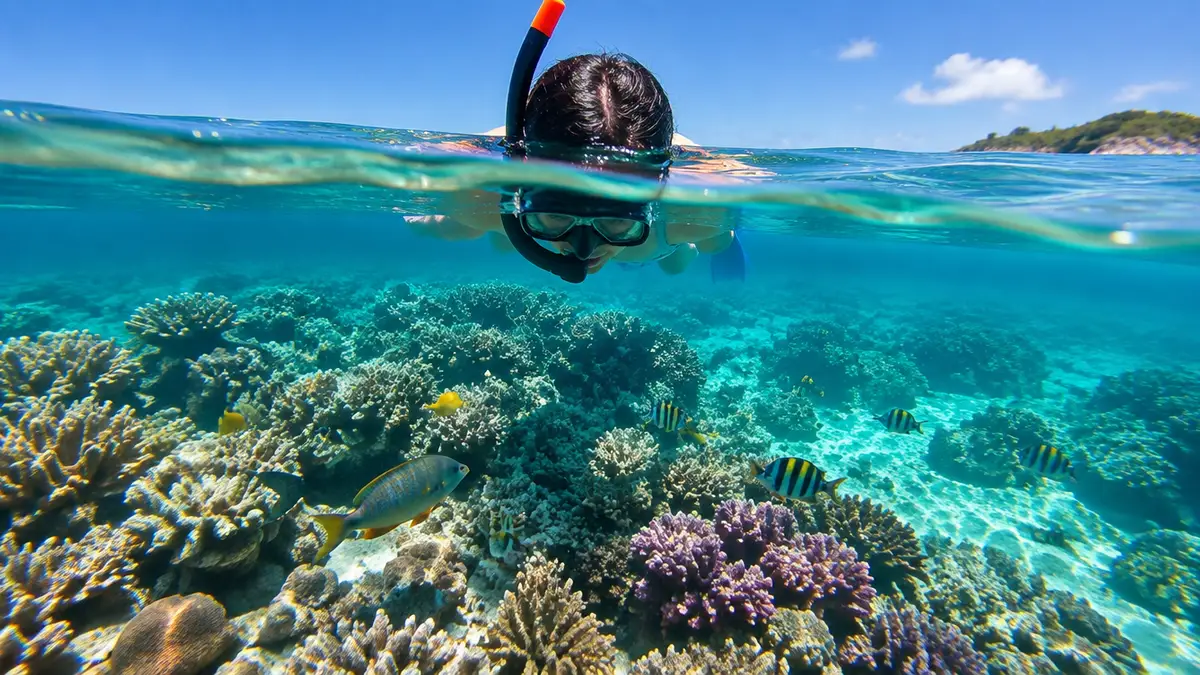
Snorkels for Scuba Diving: Types, Do You Need One, and How to Choose
Classic, semi-dry or dry? Whether scuba divers need a snorkel and how to pick one.